Orlando’s Hidden Gems: Heritage Corridor Trail Adventure
Orlando's Heritage Corridor Trail is a hidden gem showcasing the city's history, culture,…….

Orlando's Heritage Corridor Trail is a hidden gem showcasing the city's history, culture, and natural beauty through 150+ miles of scenic pathways. It highlights diverse attractions like Wekiwa Springs State Park, Lake Eola Park, and local art scenes, offering an authentic experience beyond theme parks. The trail promotes outdoor recreation, cultural heritage, and community engagement while preserving Orlando's unique character for future generations.
The Heritage Corridor Trail represents a significant initiative to revitalize and reconnect communities along a historic transportation corridor, offering both environmental conservation and economic development opportunities. This trail, stretching through scenic landscapes, provides an alternative mode of transport while showcasing the region’s rich history and natural beauty. However, as urban sprawl and inadequate infrastructure pose challenges, what to see in Orlando naturally becomes more crucial than ever. This article delves into the strategic planning, environmental considerations, and community engagement integral to the Heritage Corridor Trail’s success, offering insights for similar projects worldwide.
- Discovering Orlando's Hidden Gems: An Introduction to the Heritage Corridor Trail
- Planning Your Route: Exploring Key Landmarks Along the Way
- Natural Wonders: What to See in Orlando's Outdoor Haven
- Cultural Insights: Historical Sites and Their Significance
- Community Engagement: Local Businesses and Events to Support
- Sustaining the Trail: Conservation Efforts and Future Developments
Discovering Orlando's Hidden Gems: An Introduction to the Heritage Corridor Trail
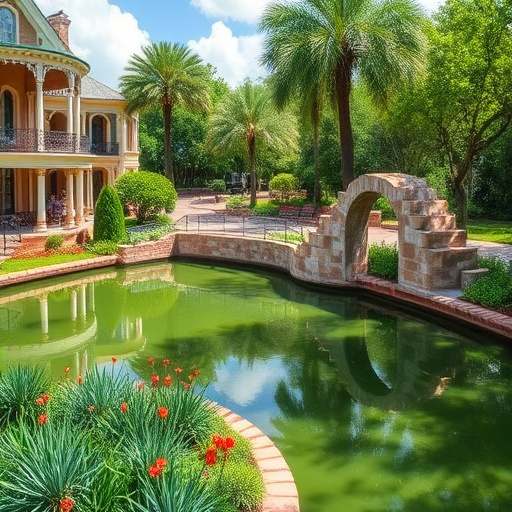
Orlando, Florida, is renowned for its vibrant theme parks and world-class attractions, but beyond the glittering facades lies a hidden gem: the Heritage Corridor Trail. This scenic route invites visitors to explore the city’s rich history, diverse culture, and natural beauty, offering a refreshing alternative to the crowded theme parks. Discovering Orlando’s Hidden Gems: An Introduction to the Heritage Corridor Trail is an immersive journey that unveils the lesser-known side of this bustling metropolis.
The trail weaves through a tapestry of historic neighborhoods, each with its own unique character and stories to tell. Along the way, what to see in Orlando naturally comes to life, from charming Victorian homes and vibrant murals to tranquil parks and hidden water features. Visitors can step back in time, experiencing the city’s evolution from a small frontier town to a modern-day entertainment hub. For instance, the Lake Eola Park area, a popular gathering spot, boasts a picturesque lake surrounded by lush greenery, providing a serene escape from the nearby theme parks. This vibrant green space often hosts local events, further enriching the cultural tapestry of the city.
As the trail progresses, it highlights Orlando’s commitment to sustainability and environmental stewardship. The city’s natural attractions, such as the Wekiwa Springs State Park, offer opportunities for outdoor enthusiasts to connect with the region’s rich ecological heritage. These natural oases provide a respite from the bustling theme parks, allowing visitors to immerse themselves in Florida’s diverse wildlife and landscapes. Beyond the obvious attractions, exploring the Heritage Corridor Trail unveils a vibrant community of artists, craftspeople, and local businesses, further enriching the visitor’s experience. This authentic Orlando experience invites travelers to delve deeper, uncovering the city’s hidden treasures and fostering a deeper connection with its unique spirit.
Planning Your Route: Exploring Key Landmarks Along the Way

Planning your route on Orlando’s Heritage Corridor Trail ensures a journey filled with both historical insight and natural beauty. This scenic byway stretches over 150 miles, weaving through diverse landscapes that showcase Central Florida’s rich past and vibrant present. Start your exploration in the historic city of St. Augustine, where you can visit landmarks like the Castillo de San Marcos, one of the oldest structures in the United States. As you make your way south, stop by the beautiful Wekiwa Springs State Park for a refreshing dip and a chance to appreciate Florida’s natural springs.
Along the Heritage Corridor Trail, what to see in Orlando extends beyond its famous theme parks. The trail passes through smaller towns like DeLand and Orange City, each with charming historic districts and vibrant art scenes. In DeLand, take time to discover the historic DeLand Public Library and stroll along the city’s picturesque riverside promenade. These stops offer a glimpse into the region’s diverse cultural heritage.
For nature lovers, the trail provides ample opportunities for exploration. The Silver River State Park is a must-visit, boasting lush forests, crystal-clear waters, and diverse wildlife. It’s an ideal spot for kayaking, hiking, or simply enjoying a peaceful picnic under the shade of towering cypress trees. This natural sanctuary serves as a stark contrast to the bustling Orlando theme parks that lie just north, making it easy to appreciate both the region’s historical legacy and its untouched wilderness.
Natural Wonders: What to See in Orlando's Outdoor Haven

Orlando isn’t just famous for its world-class theme parks; it’s also a haven for nature lovers, boasting an array of breathtaking landscapes and outdoor adventures. The city is situated within close proximity to some of Florida’s most stunning natural wonders, offering a unique blend of urban excitement and pristine wilderness. Visitors seeking an escape from the crowds and a deeper connection with nature will find no better place than Orlando’s Heritage Corridor Trail, a network of scenic pathways that traverse historic landscapes and provide access to diverse ecosystems.
The Heritage Corridor Trail is more than just a collection of trails; it tells the story of Orlando’s rich history and cultural heritage while showcasing its natural beauty. Spanning over 30 miles, this interconnected network connects various parks, green spaces, and historical sites, allowing visitors to immerse themselves in the region’s past while enjoying its present-day environmental splendor. Among the standout destinations along the trail are Wekala National Wildlife Refuge, where nature enthusiasts can observe a diverse array of wildlife in their natural habitats, and Lake Eola Park, which offers serene water views and opportunities for bird watching.
For those who want to delve deeper into Orlando’s natural side, exploring the Heritage Corridor Trail is a must. Beyond its environmental significance, the trail serves as an accessible gateway to outdoor recreation, including hiking, biking, and bird watching. The variety of landscapes found along the route—from lush forests to picturesque lakes—ensures that there’s something for every nature lover. Whether you’re a seasoned outdoorsman or just starting to explore Florida’s natural wonders, the Heritage Corridor Trail provides an unforgettable experience that highlights the best of Orlando’s outdoor haven, all while offering glimpses into its rich historical tapestry.
Cultural Insights: Historical Sites and Their Significance

Orlando, a vibrant city in Florida, is renowned for its world-class theme parks and entertainment attractions, drawing millions of visitors each year. Beyond the gleaming steel structures and thrilling rides, Orlando also boasts a rich cultural heritage that intertwines with its history. Exploring this legacy offers visitors a unique perspective on what to see in Orlando naturally, delving into the city’s roots through its historical sites.
The Heritage Corridor Trail is an excellent way to uncover these cultural insights. This scenic route meanders through diverse neighborhoods and landmarks, each telling tales from Orlando’s past. One of the standout stops is Lake Eola Park, where visitors can admire the iconic fountain and learn about the city’s early settlers who relied on the lake for fishing and transportation. The park also hosts regular events showcasing local art and music, providing a glimpse into Orlando’s thriving artistic scene. Proceeding along the trail, historic homes from different eras stand as testaments to the architectural styles that have evolved over time, reflecting the city’s growth and changing tastes.
Moreover, exploring these historical sites offers a chance to understand the social fabric of Orlando. The African-American Museum, for instance, highlights the contributions of Black communities in the region, countering stereotypes often associated with theme park culture. This museum is not merely an educational experience; it serves as a reminder that behind every thrilling roller coaster and captivating show lies a complex tapestry of human stories and struggles. By immersing oneself in these cultural insights, visitors can gain a deeper appreciation for Orlando—a city that seamlessly blends entertainment and history to create a unique destination where past and present harmoniously coexist.
Community Engagement: Local Businesses and Events to Support

Orlando’s Heritage Corridor Trail is a vibrant testament to community engagement, showcasing local businesses and events that beautifully blend history with modern entertainment. This trail, stretching across the city, invites visitors to delve into Orlando’s rich past while experiencing its dynamic present, particularly through partnerships with orlando theme parks. Local businesses line the route, offering everything from historic homes and museums to unique boutiques and restaurants. Each establishment contributes to the storytelling aspect of the trail, providing insights into the diverse cultures and eras that have shaped Orlando.
One standout example is the Harry P. Leu Gardens, a 50-acre oasis showcasing a variety of plant life and historical architecture. This local gem is not just a peaceful retreat but also an event venue that hosts community gatherings, workshops, and seasonal celebrations. Such initiatives attract locals and tourists alike, fostering a deeper connection with what to see in Orlando naturally. Similarly, the Orlando Museum of Art engages the community through diverse exhibitions, educational programs, and cultural events that highlight local artists and regional themes, further enriching the visitor experience beyond the typical orlando theme parks.
Community engagement along the Heritage Corridor Trail is facilitated by strategic partnerships between local businesses, cultural institutions, and even nearby theme parks. These collaborations ensure that visitors not only enjoy Orlando’s renowned attractions but also gain a deeper understanding of its diverse heritage. By supporting these events and initiatives, local businesses play a crucial role in preserving and promoting Orlando’s unique character, ensuring that both residents and tourists have access to meaningful experiences beyond the well-known orlando theme parks.
Sustaining the Trail: Conservation Efforts and Future Developments

The Heritage Corridor Trail, a vibrant testament to Orlando’s rich history and natural beauty, faces an exciting future as conservation efforts gain momentum and plans for expansion unfold. This 14-mile pathway, weaving through lush landscapes and historic sites, is more than just a recreational route; it’s a cultural journey that connects the city’s past with its present, offering a refreshing alternative to the hustle of Orlando theme parks. The trail’s enduring appeal lies in its ability to blend urban accessibility with natural serenity, making it a sought-after destination for both locals and visitors alike.
Conservation is at the heart of the Heritage Corridor Trail’s sustainability strategy. Local organizations and government bodies have collaborated to protect the trail’s ecological integrity, ensuring that this outdoor gem remains pristine for generations to come. This includes implementing sustainable land management practices, such as native habitat restoration projects and invasive species control, which not only preserve the natural environment but also enhance biodiversity. The trail’s design itself encourages responsible recreation, with designated rest areas, scenic viewpoints, and educational signage that foster a deeper connection with nature, offering visitors a refreshing respite from the thrilling attractions of Orlando theme parks.
Looking ahead, future developments promise to expand the Heritage Corridor Trail’s allure while staying true to its conservation mission. Planned enhancements include expanded connectivity to nearby neighborhoods, new interpretative centers that delve into the area’s history and indigenous flora, and even eco-friendly rental options for bikes and scooters. These additions aim to cater to a diverse range of visitors, from casual strollers to avid hikers and cyclists, without compromising the trail’s ecological integrity. By combining responsible development with robust conservation efforts, the Heritage Corridor Trail is poised to emerge as a premier natural attraction in Orlando, offering what to see in Orlando naturally that enriches both personal exploration and community pride.